
Connecting Fashion Brands with Regenerative Fiber Producers
- kellyannesews
- Apr 26
- 4 min read

The fashion industry is at a crossroads. As consumers become more environmentally conscious, brands are under increasing pressure to adopt sustainable practices. One of the most promising avenues for achieving sustainability is through the use of regenerative fibers. These fibers not only reduce the environmental impact of clothing production but also promote biodiversity and soil health. In this post, we will explore how fashion brands can effectively connect with regenerative fiber producers, fostering a more sustainable future for the industry.
Understanding Regenerative Fibers
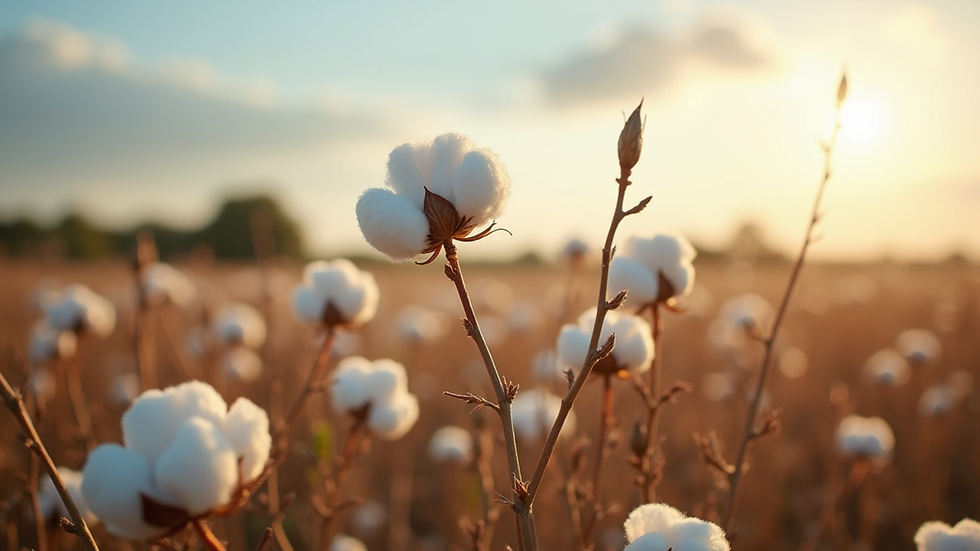
Regenerative fibers are materials produced through farming practices that restore and enhance the health of ecosystems. Unlike conventional farming, which often depletes soil and biodiversity, regenerative agriculture focuses on building soil health, increasing carbon sequestration, and promoting biodiversity. Some common types of regenerative fibers include:
Organic Cotton: Grown without synthetic pesticides or fertilizers, organic cotton supports healthier soil and ecosystems.
Hemp: This fast-growing plant requires minimal water and no pesticides, making it an excellent choice for sustainable textiles.
Tencel (Lyocell): Made from sustainably sourced wood pulp, Tencel is produced in a closed-loop process that recycles water and solvents.
Recycled Fibers: Utilizing post-consumer waste, recycled fibers reduce the need for virgin materials and minimize landfill waste.
By integrating these fibers into their collections, fashion brands can significantly reduce their environmental footprint.
The Importance of Collaboration
To successfully incorporate regenerative fibers, fashion brands must collaborate closely with fiber producers. This partnership is essential for several reasons:
Access to Quality Materials: Regenerative fiber producers often have specialized knowledge and practices that ensure high-quality materials. By working together, brands can ensure they are sourcing the best fibers for their products.
Transparency in Supply Chains: Consumers are increasingly demanding transparency in the fashion supply chain. Collaborating with regenerative fiber producers allows brands to provide clear information about the origins of their materials.
Shared Values: Many regenerative fiber producers are driven by a commitment to sustainability and environmental stewardship. Partnering with these producers can enhance a brand's credibility and align with its values.
Finding Regenerative Fiber Producers
Identifying suitable regenerative fiber producers can be challenging, but several resources can help fashion brands in this endeavor:
Industry Networks: Organizations like the Textile Exchange and the Sustainable Apparel Coalition provide directories and resources for connecting with sustainable fiber producers.
Trade Shows: Events such as the Sustainable Fashion Forum and the Global Organic Textile Standard (GOTS) conference offer opportunities to meet regenerative fiber producers and learn about their practices.
Online Platforms: Websites like Good On You and Ethical Fashion Forum feature lists of sustainable brands and producers, making it easier for fashion companies to find partners.
Building Strong Relationships
Once fashion brands identify potential regenerative fiber producers, building strong relationships is crucial. Here are some strategies to foster collaboration:
Open Communication: Establishing clear lines of communication helps both parties understand each other's needs and expectations. Regular check-ins can ensure that both sides are aligned on goals and practices.
Shared Goals: Collaborating on sustainability initiatives can strengthen the partnership. For example, brands can work with producers to develop new regenerative practices or improve existing ones.
Support and Education: Brands can offer support to fiber producers by investing in training or resources that help them implement regenerative practices more effectively.
Case Studies of Successful Collaborations
Several fashion brands have successfully connected with regenerative fiber producers, leading to innovative and sustainable products. Here are a few notable examples:
Patagonia
Patagonia is a pioneer in sustainable fashion, known for its commitment to environmental responsibility. The brand collaborates with regenerative cotton farmers in the U.S. to source organic cotton for its clothing lines. By investing in these farmers, Patagonia not only ensures high-quality materials but also supports local agriculture and promotes sustainable farming practices.
Eileen Fisher
Eileen Fisher has made significant strides in sustainability by partnering with regenerative wool producers. The brand works with farmers who practice holistic grazing, which improves soil health and promotes biodiversity. This collaboration has resulted in a unique line of clothing made from high-quality regenerative wool, showcasing the benefits of sustainable sourcing.
Reformation
Reformation is known for its trendy, eco-friendly clothing. The brand has partnered with regenerative fiber producers to incorporate materials like Tencel and recycled fibers into its collections. By highlighting these partnerships, Reformation educates consumers about the importance of sustainable fashion and encourages them to make more conscious purchasing decisions.
Overcoming Challenges
While the benefits of connecting with regenerative fiber producers are clear, there are challenges that fashion brands may face:
Higher Costs: Regenerative fibers can be more expensive than conventional materials. Brands must weigh the long-term benefits of sustainability against short-term costs.
Limited Availability: Not all regions have access to regenerative fiber producers. Brands may need to invest time and resources into sourcing materials from different locations.
Consumer Awareness: Educating consumers about the benefits of regenerative fibers is crucial. Brands must communicate the value of sustainable practices to encourage more conscious purchasing.
Marketing Regenerative Fibers
Once fashion brands have successfully sourced regenerative fibers, they must effectively market these products to consumers. Here are some strategies to consider:
Storytelling: Share the stories behind the fibers and the producers. Highlighting the journey from farm to fashion can create a deeper connection with consumers.
Transparency: Provide clear information about the sourcing and production processes. Transparency builds trust and encourages consumers to support sustainable brands.
Collaborative Campaigns: Partner with regenerative fiber producers for joint marketing campaigns. This collaboration can amplify the message and reach a wider audience.
The Future of Fashion and Regenerative Fibers
As the fashion industry continues to evolve, the demand for sustainable practices will only grow. Connecting with regenerative fiber producers is a crucial step toward a more sustainable future. By fostering these relationships, fashion brands can not only reduce their environmental impact but also contribute to the health of our planet.
Key Takeaways
Regenerative fibers offer a sustainable alternative to conventional materials, promoting environmental health and biodiversity.
Collaboration between fashion brands and fiber producers is essential for sourcing high-quality materials and ensuring transparency.
Successful partnerships can lead to innovative products and enhanced brand credibility.
Overcoming challenges such as cost and consumer awareness is crucial for the widespread adoption of regenerative fibers.
As consumers increasingly prioritize sustainability, fashion brands that embrace regenerative fibers will be well-positioned to lead the industry toward a more responsible and eco-friendly future. The time to act is now—let's connect and create a sustainable fashion landscape together.

Comments