
Building a Circular Economy in the Fashion Industry
- kellyannesews
- Apr 26
- 4 min read

The fashion industry is one of the most resource-intensive sectors in the world. With a staggering amount of waste generated each year, the need for a sustainable approach has never been more pressing. The concept of a circular economy offers a promising solution, aiming to redefine how we produce, consume, and dispose of clothing. This blog post will explore the principles of a circular economy in fashion, its benefits, and practical steps that brands and consumers can take to contribute to this transformative movement.
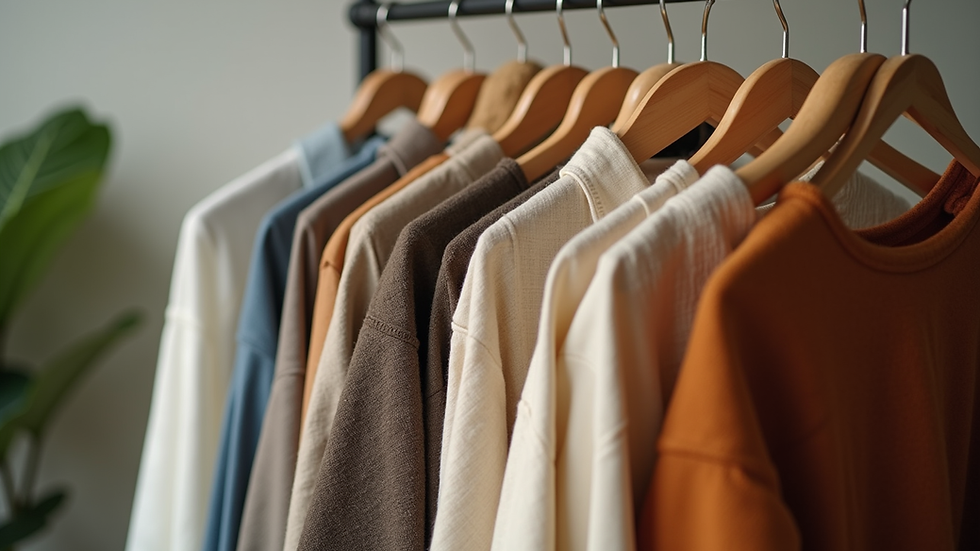
Understanding the Circular Economy
What is a Circular Economy?
A circular economy is an economic model that emphasizes sustainability by minimizing waste and making the most of resources. Unlike the traditional linear economy, which follows a "take, make, dispose" pattern, a circular economy seeks to create closed-loop systems where products are reused, repaired, refurbished, and recycled.
Key Principles of a Circular Economy
Design for Longevity: Products should be designed to last longer, reducing the need for frequent replacements.
Resource Efficiency: Utilize materials that are renewable, biodegradable, or recyclable.
Waste Reduction: Minimize waste at every stage of the product lifecycle, from production to disposal.
Consumer Engagement: Encourage consumers to participate in sustainable practices, such as recycling and upcycling.
The Impact of Fast Fashion
The Environmental Cost
Fast fashion has revolutionized the clothing industry, making trendy apparel accessible to the masses. However, this comes at a significant environmental cost. The production of cheap clothing often involves:
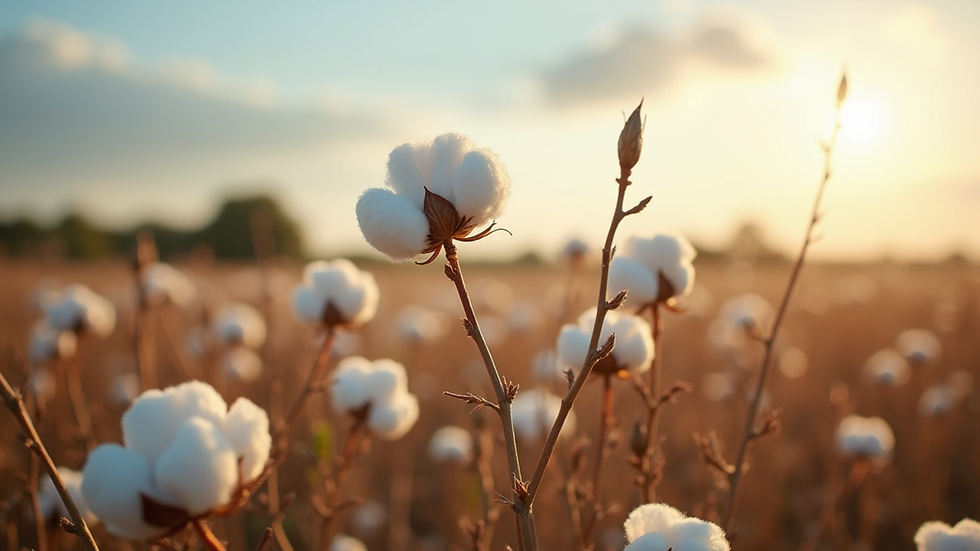
High Water Usage: It takes approximately 2,700 liters of water to produce a single cotton t-shirt.
Chemical Pollution: The dyeing process releases toxic chemicals into waterways, harming ecosystems and communities.
Landfill Overflow: An estimated 92 million tons of textile waste is generated globally each year, much of which ends up in landfills.
Social Implications
Beyond environmental concerns, fast fashion also raises ethical issues. Many garments are produced in countries with poor labor conditions, where workers are underpaid and overworked. Transitioning to a circular economy can help address these social injustices by promoting fair labor practices and supporting local economies.
Benefits of a Circular Economy in Fashion
Environmental Sustainability
By adopting circular practices, the fashion industry can significantly reduce its environmental footprint. This includes:
Lower Carbon Emissions: Sustainable production methods can decrease greenhouse gas emissions.
Conservation of Resources: Using recycled materials reduces the need for virgin resources, preserving natural habitats.
Economic Advantages
A circular economy can also create economic opportunities. Brands that embrace sustainability can attract environmentally conscious consumers, leading to increased sales. Additionally, the circular model encourages innovation, as companies seek new ways to design, produce, and recycle clothing.
Enhanced Brand Loyalty
Consumers are increasingly prioritizing sustainability in their purchasing decisions. Brands that commit to circular practices can build stronger relationships with their customers, fostering loyalty and trust.
Practical Steps for Brands
Implementing Sustainable Practices
Sustainable Sourcing: Use organic or recycled materials in production.
Eco-Friendly Manufacturing: Adopt processes that minimize waste and energy consumption.
Take-Back Programs: Encourage customers to return used garments for recycling or refurbishment.
Collaborating with Stakeholders
Brands should work with suppliers, manufacturers, and consumers to create a holistic approach to sustainability. This collaboration can lead to innovative solutions and shared resources.
Educating Consumers
Brands can play a crucial role in educating consumers about the importance of sustainability. This can be achieved through:
Transparency: Share information about sourcing, production processes, and environmental impact.
Workshops and Events: Host events that promote sustainable practices, such as upcycling workshops.
Practical Steps for Consumers
Mindful Consumption
Consumers can contribute to a circular economy by making conscious choices. Here are some tips:
Buy Less: Focus on quality over quantity. Invest in timeless pieces that will last.
Choose Sustainable Brands: Support companies that prioritize sustainability in their practices.
Repair and Upcycle: Instead of discarding old clothing, consider repairing or transforming it into something new.
Participate in Clothing Swaps
Clothing swaps are a fun way to refresh your wardrobe without contributing to waste. Organize or participate in local events where you can exchange garments with others.
Educate Yourself and Others
Stay informed about the fashion industry's impact on the environment and share your knowledge with friends and family. The more people understand the importance of sustainability, the greater the collective impact.
Case Studies of Circular Fashion Brands
Patagonia
Patagonia is a pioneer in sustainable fashion, known for its commitment to environmental responsibility. The brand offers a take-back program called "Worn Wear," encouraging customers to return used items for repair or resale. This initiative not only reduces waste but also promotes a culture of reuse.
Eileen Fisher
Eileen Fisher has implemented a circular model through its "Renew" program, which takes back worn garments and transforms them into new pieces. The brand focuses on using organic and recycled materials, ensuring that its products have a minimal environmental impact.
Reformation
Reformation is a fashion brand that emphasizes sustainability in every aspect of its operations. The company uses eco-friendly materials and practices transparency by sharing its environmental impact data with consumers. Reformation also encourages customers to recycle their clothing through its partnership with a recycling program.
Challenges to Overcome
Consumer Mindset
Changing consumer behavior is one of the biggest challenges in transitioning to a circular economy. Many people are accustomed to fast fashion and may be resistant to altering their purchasing habits. Education and awareness are crucial in shifting this mindset.
Infrastructure Limitations
The current recycling infrastructure is often inadequate to handle the volume of textile waste generated. Investment in recycling technologies and systems is essential for a successful circular economy.
Industry Resistance
Some brands may be hesitant to adopt circular practices due to perceived costs or complexities. However, the long-term benefits of sustainability often outweigh the initial challenges.
The Future of Fashion
The shift towards a circular economy in the fashion industry is not just a trend; it is a necessary evolution. As consumers become more aware of the environmental and social implications of their choices, brands must adapt to meet these expectations. By embracing sustainability, the fashion industry can pave the way for a more responsible and equitable future.
Call to Action
As a consumer, you have the power to influence the fashion industry. Start by making mindful choices in your wardrobe and supporting brands that prioritize sustainability. Together, we can build a circular economy that benefits both people and the planet.
In summary, the transition to a circular economy in the fashion industry is essential for reducing waste, conserving resources, and promoting ethical practices. By working together—brands, consumers, and stakeholders—we can create a more sustainable future for fashion.
Comments